
Ganh Da Dia at a glance
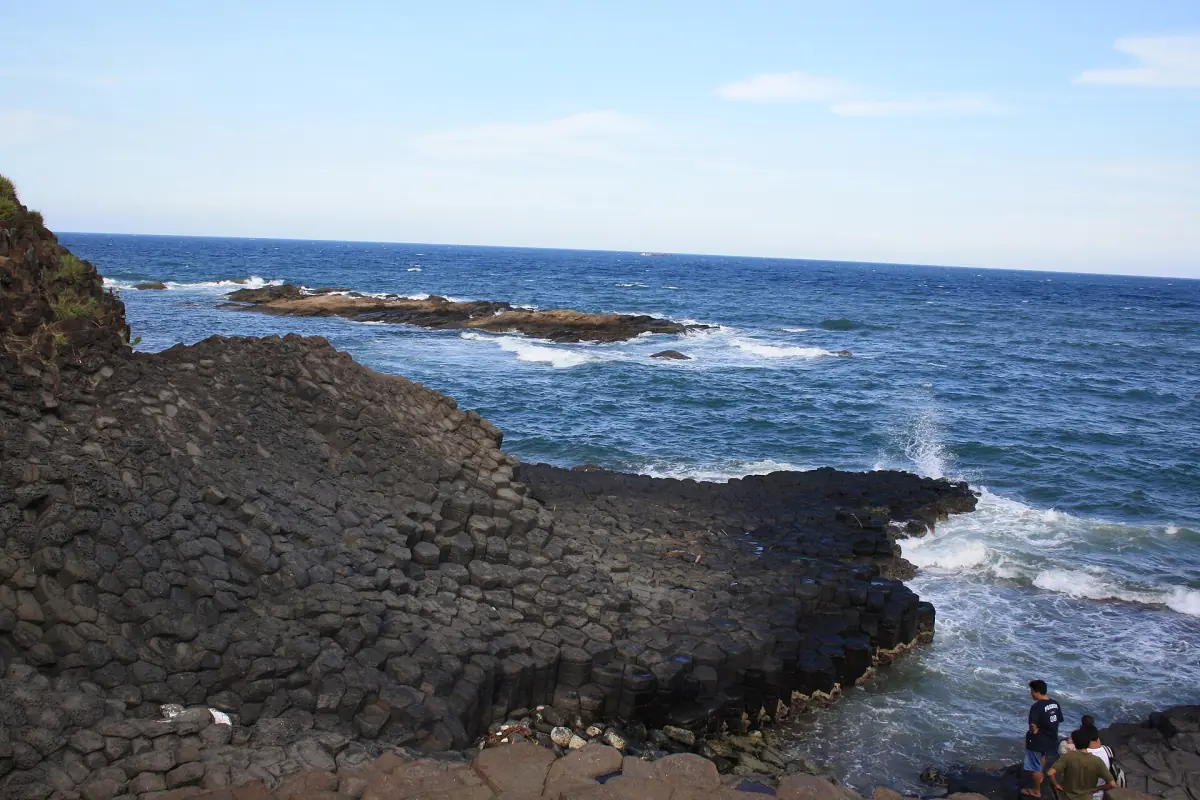
Ganh Da Dia (Gành Đá Đĩa) is a rock formation on the coast of Phu Yen where vertical volcanic columns step down into the sea. The columns stand packed side by side, and many have flat, roughly hexagonal tops. Pools of seawater collect in the gaps between them. It is the best-known sight on this coast and the main reason visitors travel north from Tuy Hoa.
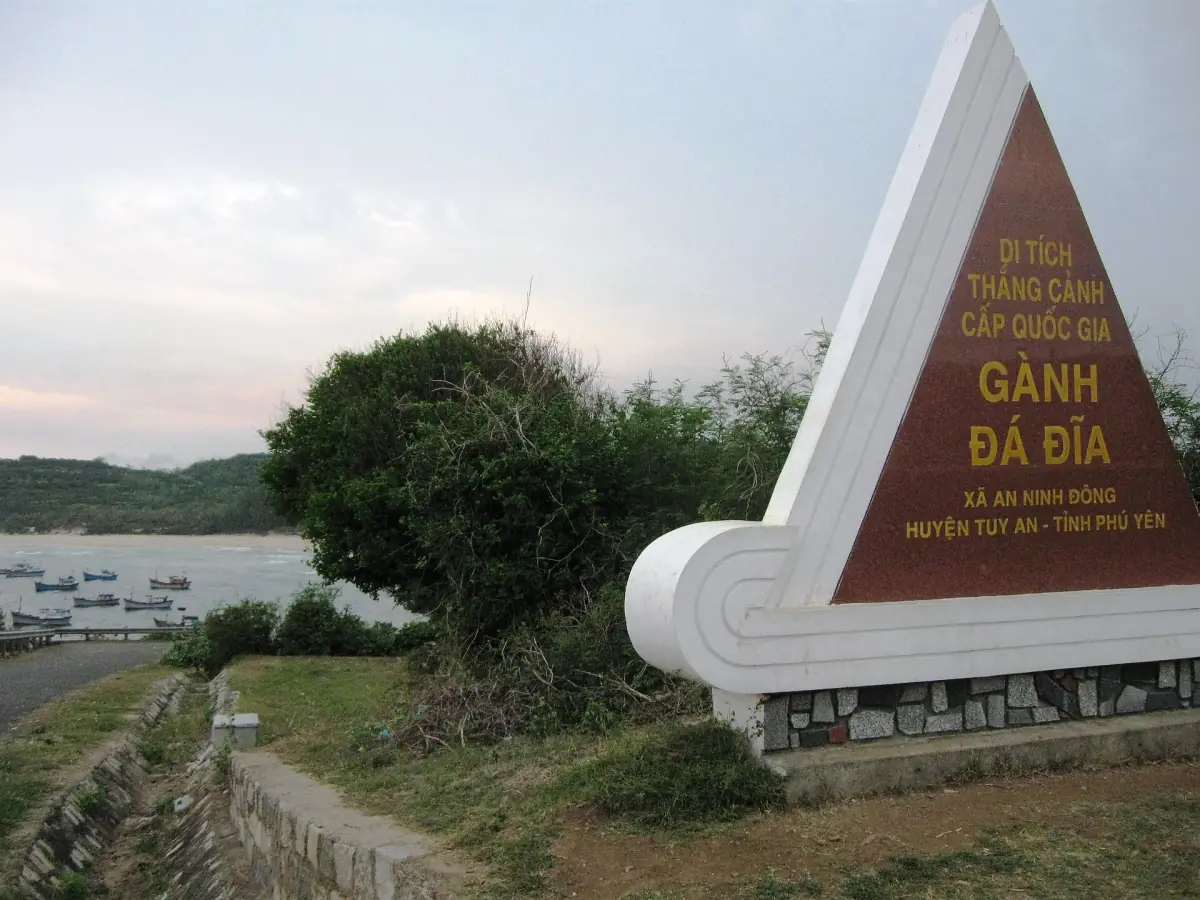
Phu Yen is the former province that became part of Dak Lak province on 1 July 2025. Travelers still use the name Phu Yen for this stretch of coast, and Ganh Da Dia is reached from Tuy Hoa as before. The site is listed as a special national landscape monument. Local press in April 2026 still describes UNESCO geopark recognition as a goal, not as a done deal.
Tickets, hours and parking
Figures for 2026. Sources differ, so confirm at the ticket window.
| Item | Amount | Note |
|---|---|---|
| Entry, adult | VND 40,000 (about $1.60) | Per person per visit, including insurance. Set by a 2023 provincial resolution that is still listed as in force. |
| Children | Free under the resolution | The text sets no age or height limit. Travel blogs quote child rates and height limits that differ from each other. |
| Seniors | Free from age 80, half price from 60 to under 80 | Severe disability also qualifies. Ask at the window what applies to foreign visitors. |
| Other quoted prices | For example VND 30,000 (about $1.20) | One travel site quotes this adult price, so the gate price may differ from the table. |
| Parking, motorbike | VND 5,000 to 10,000 (about $0.20 to $0.40) | Local travel blog, May 2026. |
| Parking, car | VND 15,000 to 20,000 (about $0.60 to $0.80) | Local travel blog, May 2026. |
| Opening hours | 6 a.m. to 6 p.m. daily | Local travel blog, May 2026, including holidays. Check the current hours before you go. |
Carry small banknotes for the ticket and for parking in case a card is not accepted.
Ganh Da Dia and Phu Yen day tours
Guided trips to the basalt coast, the O Loan Lagoon and nearby stops, with live prices and availability.
What you will see
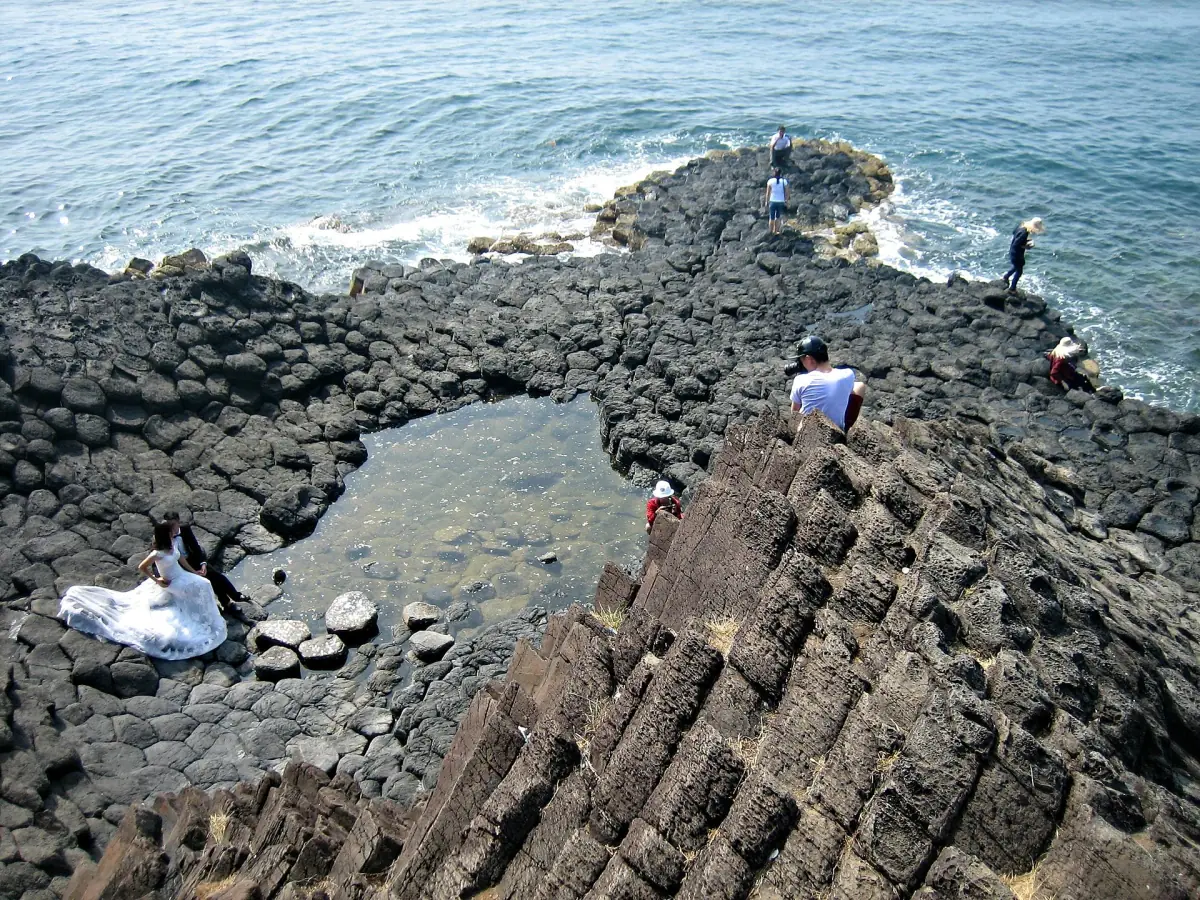
The main area is a short stretch of shore. The columns rise in tight rows and form stepped platforms toward the water. Seawater fills the pools between them, and waves break against the outer rocks. Allow an hour for the walk, more if you want to take photos.
The columns
Look closely at the tops. Many are flat and roughly hexagonal, which makes the rock look worked, though it is a natural volcanic formation.
Tide pools
The pools between the columns change with the tide and the swell. Do not climb into them, and keep an eye on the waves while you take photos.
The headland
Green scrub covers the land behind the rock platforms.
Light
Early morning and late afternoon give softer light and fewer visitors than midday. There is little shade on the rock, so bring a hat and water.
Getting to Ganh Da Dia
A travel site puts the formation about 30 km north of Tuy Hoa. Older listings give an address in Tuy An district, but districts stopped operating across Vietnam on 1 July 2025, so search for Ganh Da Dia by name in your map app. No fixed travel time is reliable, because traffic and road works change it.
You have three practical options. Hire a taxi or a driver in Tuy Hoa for a half day. Join a guided tour with hotel pickup, which often adds other stops on the coast. Or ride a rented motorbike if you hold a license that is valid for it and have insurance that covers it. Motorbike accidents are common in Vietnam, and the UK government advises checking both before you ride.
If you start in Nha Trang, take the train to Tuy Hoa first. One operator's timetable valid from 15 May 2026 lists 1 hour 48 minutes on the SE8 service. Day trips from Quy Nhon also list this coast. Details are on our getting there page.
Safety and respect for the site
Wet basalt is slippery, and the edge drops straight into surf. Wear shoes with grip, not flip-flops, and keep children close. Stay back from the water on days with a strong swell.
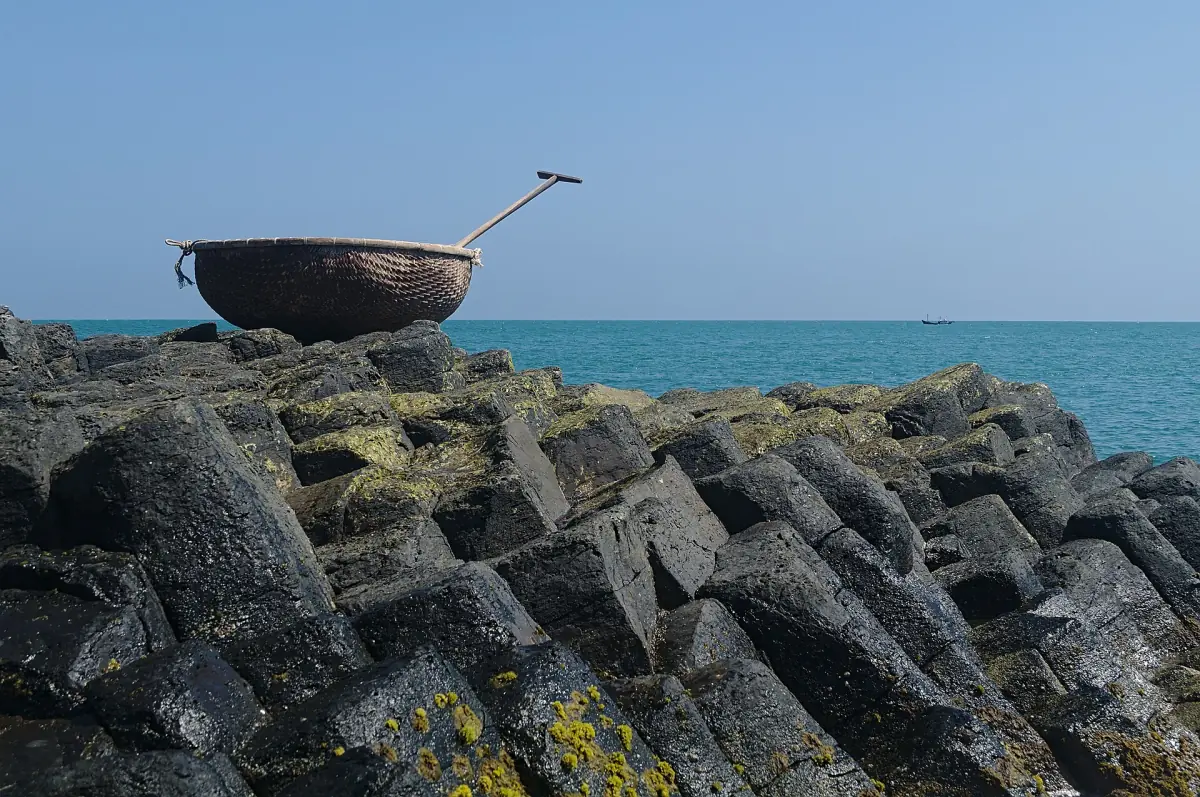
Fishing is part of life on this coast, and you may see boats offshore or a round basket boat resting on the rocks. Treat boats and gear as someone's workplace and do not climb on them. Take your rubbish with you, and do not break off pieces of rock.
The rainy season brings heavy rain and flooding to central Vietnam, and tropical storms can occur from May to November. Check the forecast before you set out, and read our weather and best time guide.
Combine it with nearby stops
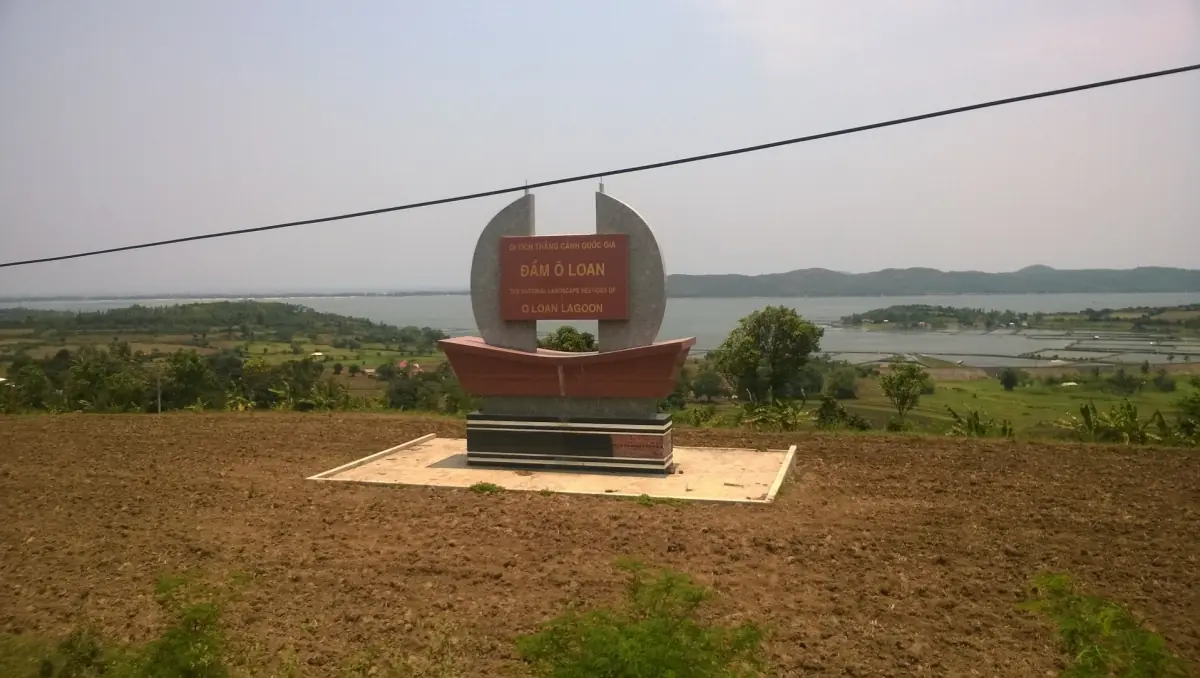
The published northern route for the coast pairs Ganh Da Dia with the Mang Lang church (a Gothic church with two towers), the seafood area at O Loan Lagoon, Nhan Tower and Hon Yen.

Ganh Da Dia: frequently asked questions
How much is the Ganh Da Dia ticket?
A 2023 provincial resolution sets VND 40,000 (about $1.60) per person per visit, including insurance, and it is still listed as in force in 2026. Some travel sites quote other amounts, so confirm at the ticket window.
What are the opening hours?
A local travel blog from May 2026 lists 6 a.m. to 6 p.m. every day, including holidays. Check the current hours before you travel, especially in the rainy season.
When is the best time to visit?
The national tourism site suggests February to August. Heavy rain falls from September to December, and in Tuy Hoa the long-term average is about 540 mm in October and 510 mm in November (national standard, published 2022). Storm season runs from May to November, and the area flooded badly in November 2025. A visit never comes with a guarantee of calm seas.
Is Ganh Da Dia a UNESCO site?
It is listed as a special national landscape monument. Local press in April 2026 describes UNESCO geopark recognition as a goal.
Can I visit from Quy Nhon or Nha Trang?
Day trips from Quy Nhon to this coast are listed, and from Nha Trang you can take the train to Tuy Hoa and continue from there. Check the pickup point, what the price includes and whether entry tickets are covered before you book.